


General Information: An uncommon wildflower with a captivating name that alludes to its uniqueness. The flowers of Eastern Shooting Star will set any garden ablaze. Flowers (appearing April to June) feature 5 swept-back ‘reflexed’ petals, ranging from white, light pink, to rosy pink, accented by purple, white, and yellow centers. The reflexed shape of the flowers create the appearance of a shooting star. Blossoms may persist up to three weeks under ideal conditions. After flowering, the brownish open seed capsules persist until the seeds are dispersed. These native wildflowers are spring ephemerals, producing leaves and flowers much earlier than many other plants. By summer the plant returns to dormancy, pausing for the rest of the year, with the promise to return and send up fresh flowers and leaves the following spring. Worthy of the name ‘Shooting Star’, these plants offer an awe-inspiring burst of color and growth briefly, once, before they start to fade. Their blooms are perfectly timed to offer a nectar source to new Queen Bumblebees during their nuptial flights. Indigenous to much of the eastern United States in open woods, ledges, meadows, glades, and prairies.
Cultivation Details: Consider pairing Eastern Shooting Star with other Spring Ephemerals such as Trillium (Trillium grandiflorum), Ramps (Allium tricoccum), Virginia Bluebells (Mertensia virginica), as well as with longer lasting perennial wildflowers such as Foxglove Beardtongue (Penstemon digitalis), Milkweeds (Asclepias spp), Bee Balms (Monarda spp), and Mountain Mints (Pycnanthemum spp). A unique addition to cottage gardens, rewilding projects, along fences and borders, or as a specimen plant.
Growing Requirements: Plant in partial shade, though tolerates full sun in cool climates when soils are consistently moist (mesic). Prefers humus-rich, well-draining soil. Avoid poorly-drained, wet soils, particularly in winter. Uniquely tolerant of rocky soils. Tolerates clay and sandy soils so long as they are moderately moist and, ideally, well-mulched. Suitable for mildly acidic, neutral, and mildly alkaline soils.
Fun Facts: The genus name Dodecatheon comes from the Greek words “Dodeka” meaning twelve and “Theos” meaning Gods. Pliny the elder believed it was under the care of “twelve superior gods”. The species meadia is in honor of Dr. Richard Mead, 1673-1754, an English physician. For further information visit: https://www.nybg.org/poetic-botany/dodecatheon/
Be the first to review “Primula (Dodecatheon) meadia – Eastern Shooting Star; American Cowslip”
Related products


Attracts Wildlife

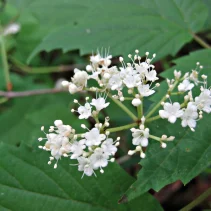


Edible Fruit

Attracts Wildlife


Attracts Wildlife
Reviews
There are no reviews yet.