


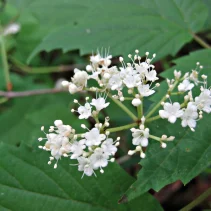
General Information: Showy, creamy-white to pale-green spike flowers appear from June through August on this long-blooming, beneficial native. Naturally occurring in various habitats in much of the United States and Canada. Found on bluffs, in forests, or in pastures, along stream banks, and roadsides. Mature plants will reach up to 4′ tall with a 2′ spread. Upright to ascending. Red-tinged, branched stems emerge from a woody rootstock. The inflorescences are around 5-10″ tall, and the individual flowers can reach up to 0.75″ long. The genus name Astragalus comes from the Greek meaning “ankle bone”. Various sources cite this as a reference to the appearance of roots, seeds, or inflorescences. A rich nectar source for hummingbirds. Attracts butterflies. Medicinal uses have been documented; Native Americans used the roots as a food source and to treat back pain and coughs.
Cultivation Details: Low maintenance. Use as a ground cover, to naturalize along forest edges, in prairie plantings, or in a pollinator or native plants garden. Tolerates dry soil and wet soil; drought-tolerant. Supports long-tongued pollinators, including bumblebees and honeybees. Mammals such as deer and rabbits graze on the foliage, which is not toxic to livestock. Game birds consume seeds. There are no known pest or disease issues. Provide support for the stalks to keep them upright, or allow nearby vegetation to provide support. Due to its deep taproot and fibrous root system, it helps stabilize soil, providing erosion control, and is useful in restoration projects. Fast-growing. Fixes nitrogen. According to The Xerces Society for Invertebrate Conservation, Canadian milkvetch is of Special Value to Native Bees and Special Value to Bumble Bees.
Growing Requirements: Prefers evenly moist, well-drained soil in full sun. Suitable for a wide range of soil types, including dry soils and wet soils, and also accepts partial shade.
Be the first to review “Astragalus canadensis – Canadian milkvetch”
Related products

Attracts Wildlife

Best Sellers

Attracts Wildlife


Attracts Wildlife

Attracts Wildlife


Reviews
There are no reviews yet.