


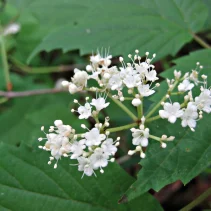
General Information: This interesting white and green flowered milkweed is distinct from other milkweeds, with grass-like leaves, encircling thin, graceful stems, and charming two-toned fragrant blossoms that attract many pollinators. Blooms are from July through September. Like other Milkweed (Asclepias) species, it is a host for the Monarch Butterfly and is an important nectar source for many different pollinators; rich in nectar, it attracts butterflies, native bees, moths, and hummingbirds. Following pollination, a slender pod known botanically as a follicle, emerges and persists through the winter. Eventually the follicle will split open, releasing numerous tufted seeds for wind dispersal. This plant has a history of medicinal use by Indigenous Peoples throughout the plant’s native range. Like other members of the Asclepias genus, whorled milkweed is considered toxic and should not be consumed. The species name verticillata translates to whorl, and refers to the whorled leaves.
Cultivation Details: This species is self-fertile. Only one plant is required to produce seeds. These plants will eventually spread by rhizome to form a colony, however, their spread is easily controlled as competition from other more aggressive plants can be an issue. Once established, these plants are drought-tolerant. Consider pairing Whorled Milkweed with other selections from our “Attracts Wildlife” category. Useful for prairie restorations, rewilding, native plant gardens, pollinator gardens, or in mass plantings. The slender nature of Asclepias verticillata makes it a useful companion to native grasses.
Growing Requirements: Plant in full sun. Prefers dry to medium-moist, well draining soil, does well in sand, loam, or loamy clay, though it will not do well in hard-packed clay. Uniquely suited for dry, sandy sites. Suitable for mildly acidic, neutral, and mildly alkaline soils.
Be the first to review “Asclepias verticillata – Whorled Milkweed”
Related products

Attracts Wildlife


Attracts Wildlife

Best Sellers


Attracts Wildlife

Edible Plants

Reviews
There are no reviews yet.